
We Learn and Unlearn
I’ve been reading How the Word is Passed: A Reckoning with the History of Slavery Across America by Clint Smith, and it has me wondering… what does it mean to try to come to terms with my white privilege in a society that continues to lie to me? As equity gains get forced back under this federal administration, the scope of the lying is overwhelming. This book is teaching me a lot I didn’t know about the history of slavery and the Civil War, and I’m so grateful.
Clint Smith is a poet, and that’s clear in his ability to describe anything with the most gorgeous words, including his own feelings and reactions. Each chapter is about an important place in the history of American slavery. I was excited to read about his visit to the Whitney Plantation, which I’ve visited twice. My last visit was with my daughter when she was 13, and our tour guide shared that her ancestors had been enslaved at the plantation. I learned from the book that prioritizing Black staff as guides at the Whitney Plantation is intentional because it’s important to the organization to have Black people telling the stories of those who had been enslaved. It was a gift to read Smith’s impressions and emotions as he walked through the plantation, primarily because, when Black people tell me about their emotions and experiences, I assume that I am getting an abbreviated version. Smith’s honest reflections were important for me to think more about.
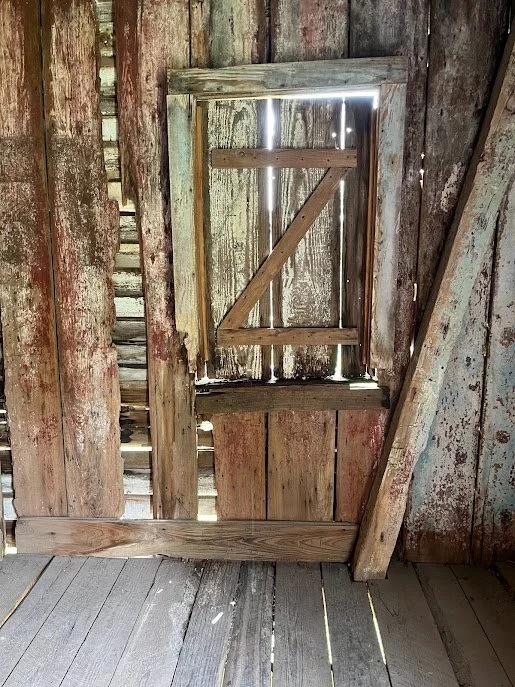
The wall of a cabin that was occupied by enslaved workers at the Whitney Plantation.
I also learned a lot reading about Galveston Island, Texas, the origin spot for Juneteenth. He describes a joyful celebration of that holiday, hosted by the Nia Cultural Center, and I was humbled to learn that this holiday has been celebrated quietly in Black communities since it happened. Like many white folks, I just learned of Juneteenth in the last ten years. Smith strives to convey what the immediate months and years after June 19, 1865 were actually like for Black Americans, and it's difficult to imagine. He shares,
“I watched these young people read to the audience parts of history that placed our country in context. I felt, in that moment, envious of them. Had I known when I was younger what some of these students were sharing, I felt as if I would have been liberated from a social and emotional paralysis that for so long I could not name - a paralysis that had arisen from never knowing enough of my own history to effectively identify the lies I was being told my others: lies about what slavery was and what it did to people; lies about what came after our supposed emancipation; lies about why our country looks the way it does today.”
When I talk with other white people about racism and race in our country, I focus on the fact that those in power in our society have purposefully kept the truth from us. To continue to perpetuate white supremacy, our structures are built to keep tools that would help us understand, talk about, and heal from the violent harm we’re bound to out of reach and hard to define. If we don’t have tools to even talk about our connections to white supremacy, how are we supposed to understand and change it? I try to be gentle and open with my white peers, explaining that we will make mistakes as we work towards liberation (and often!), and expecting to do so can hopefully reduce the fear of not “getting it right.” It’s most important that we try, we do something, we learn and unlearn, and we continue. It’s not work that I can finish, but it’s work that I will do anyway.
So often, I think white folks avoid even beginning this conversation because it’s so uncomfortable. The reality is, having spent years talking about white supremacy and the unearned privilege it creates, it doesn’t get any more “comfortable,” and that’s not even a goal that I have. Instead, I focus on building my tolerance for this discomfort because I believe I have a mandate to do so.
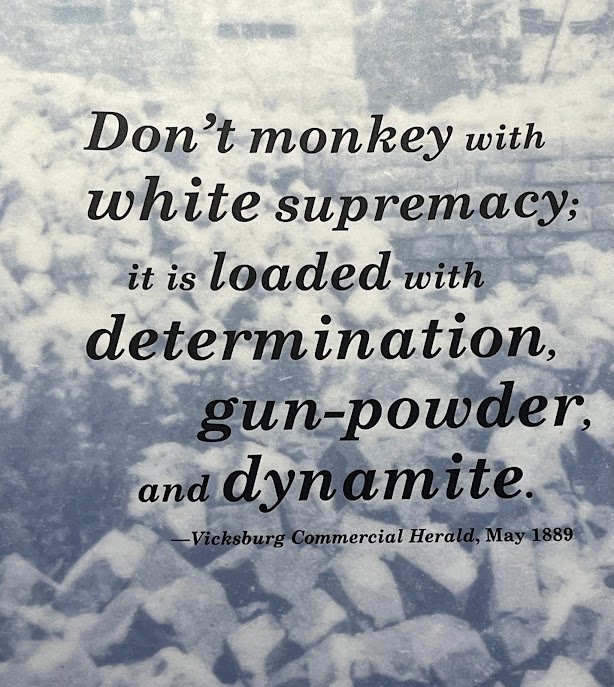
That mandate comes from knowing that my humanity and your humanity relies on me building that tolerance. Greg Elliot of the American Friends Service Committee states, “... the cost of white privilege and white supremacy for white people is nothing short of trading humanity for the illusion of comfort.” To me, seeing and celebrating the humanity of each person motivates me to continue.
I have also had the transformative experience of being in a room full of other white people who were joined in their commitment to justice and liberation. The deep, shared, embodied experience of being humble to the reality of racism in those spaces stays with me and keeps me focused. I’ve also been transformed by the brilliance of Black culture, joy, and expression, and while I typically feel like a guest of that brilliance, I also feel a deep connection to celebrating it.
Dismantling white supremacy has always been necessary work, and as we face the upcoming commemorations of Juneteenth and America’s 250th birthday, we must remain steadfast in our commitments. Know that I’m with you in this work, and I believe our humanity requires it. Let’s keep going.
